Across most of the state, tap water comes out of limestone and arrives loaded with dissolved calcium and magnesium. That's what scales your pipes, wears out your water heater early, and leaves film on everything you own. We fix it where the water enters the house.
Nothing on the left is exotic. It's the ordinary background noise of living in Florida — and every one of it has the same cause and the same fix.
Chalky scale on spouts, shower doors and glassware that returns days after you scrub it off.
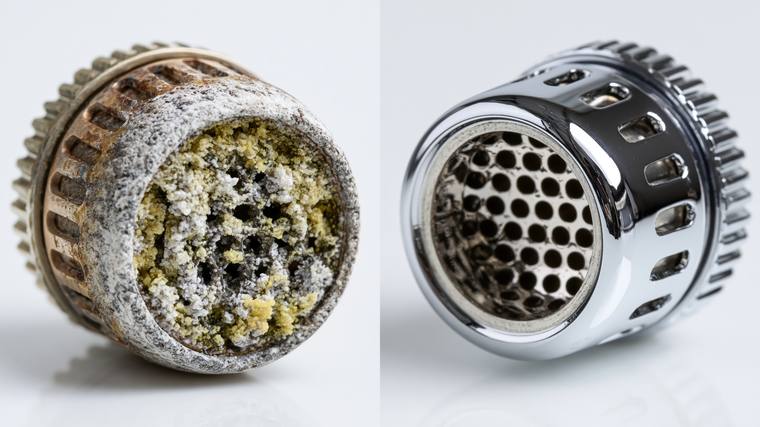
No hardness minerals in the water means nothing left behind to dry into scale. Wipe once, and it stays clean.
Minerals bind to soap instead of letting it foam, so you use more shampoo and more detergent for the same result.
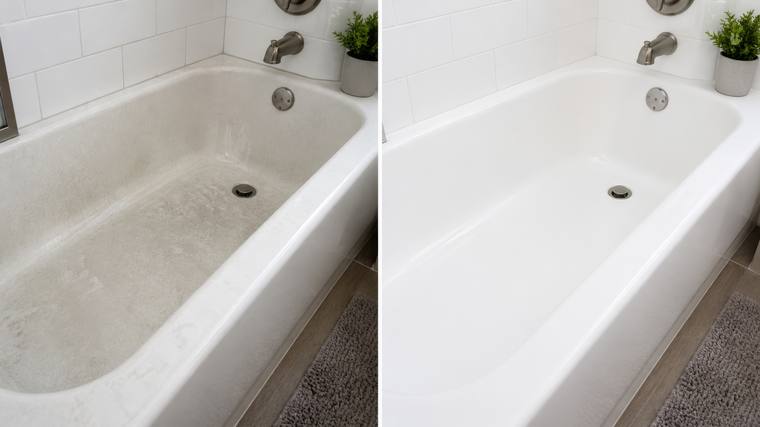
In controlled testing, softened water cut the detergent needed for the same clean by up to half in laundry and up to 70% in dishwashing.
Soap curd and mineral residue stay behind on your skin after every rinse, which is why lotion feels compulsory here.
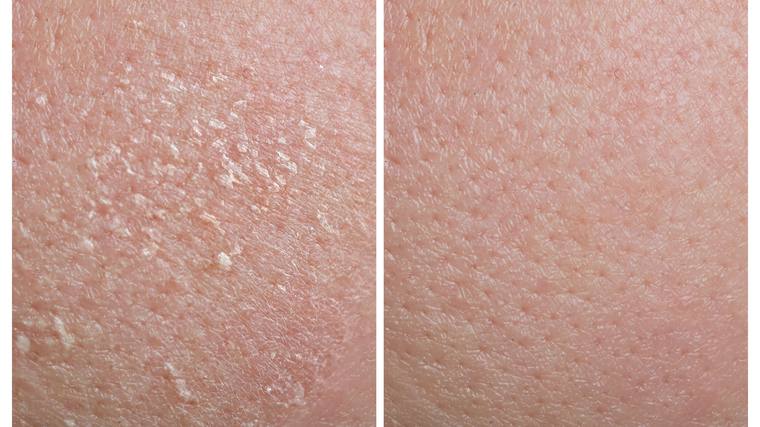
Nothing left on your skin but water. This is the change most customers mention first, usually within the first week.
The disinfectant that keeps municipal water safe is also what you taste in your coffee and smell in the shower.
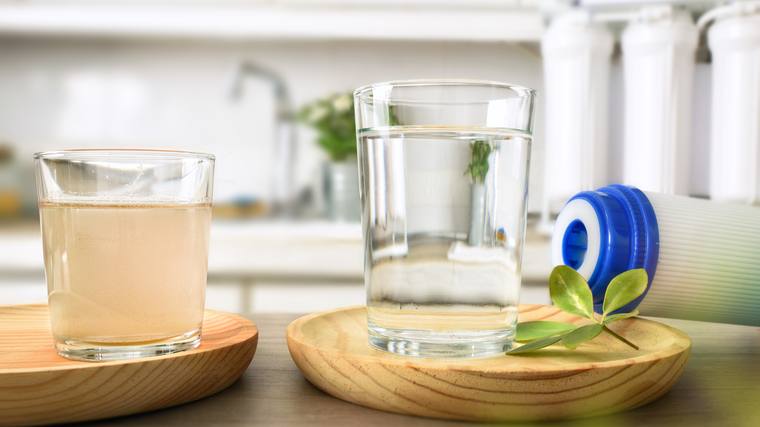
Stage two runs the softened water through activated coconut shell carbon, which is what removes chlorine taste and odour.
Scale settles on the tank floor and the burner surface. Gas heaters measurably lose efficiency as it accumulates.
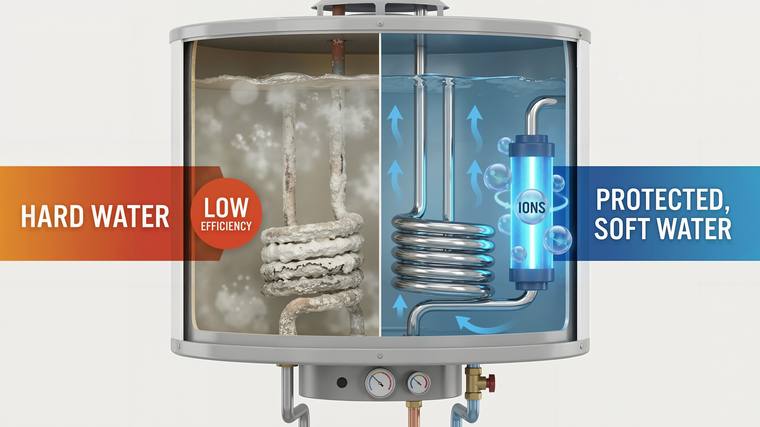
The same lab study measured 1.16 lb of scale a year in a gas heater on hard water — and 0.02 lb on softened water. Effectively none.
Shampoo and hard water make a curd that stays in your hair instead of going down the drain. It builds up as a dull film, and no amount of rinsing shifts it.
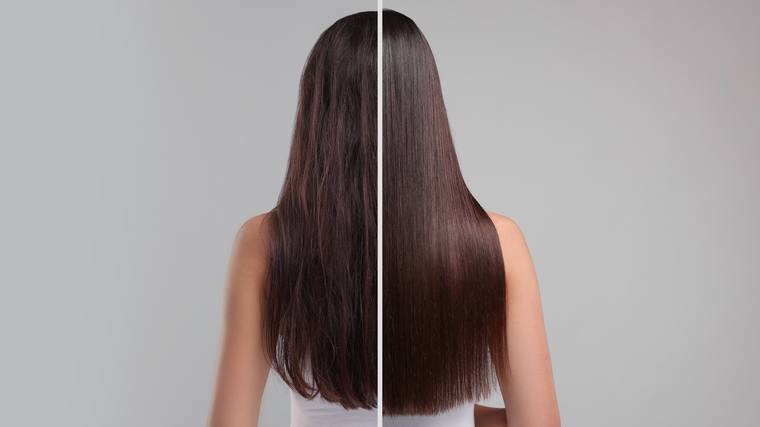
Nothing dissolved in the water means nothing left in your hair. Shampoo rinses out completely, so hair feels soft rather than coated and holds its shine between washes.
Illustrative photography, licensed stock. For the real thing — scale our own technicians pulled out of Florida homes — see our hard water page.
A whole-home conditioner is the fix for hardness, and it's where nearly every customer starts. A drinking water system is the upgrade for taste and purity at the kitchen sink.
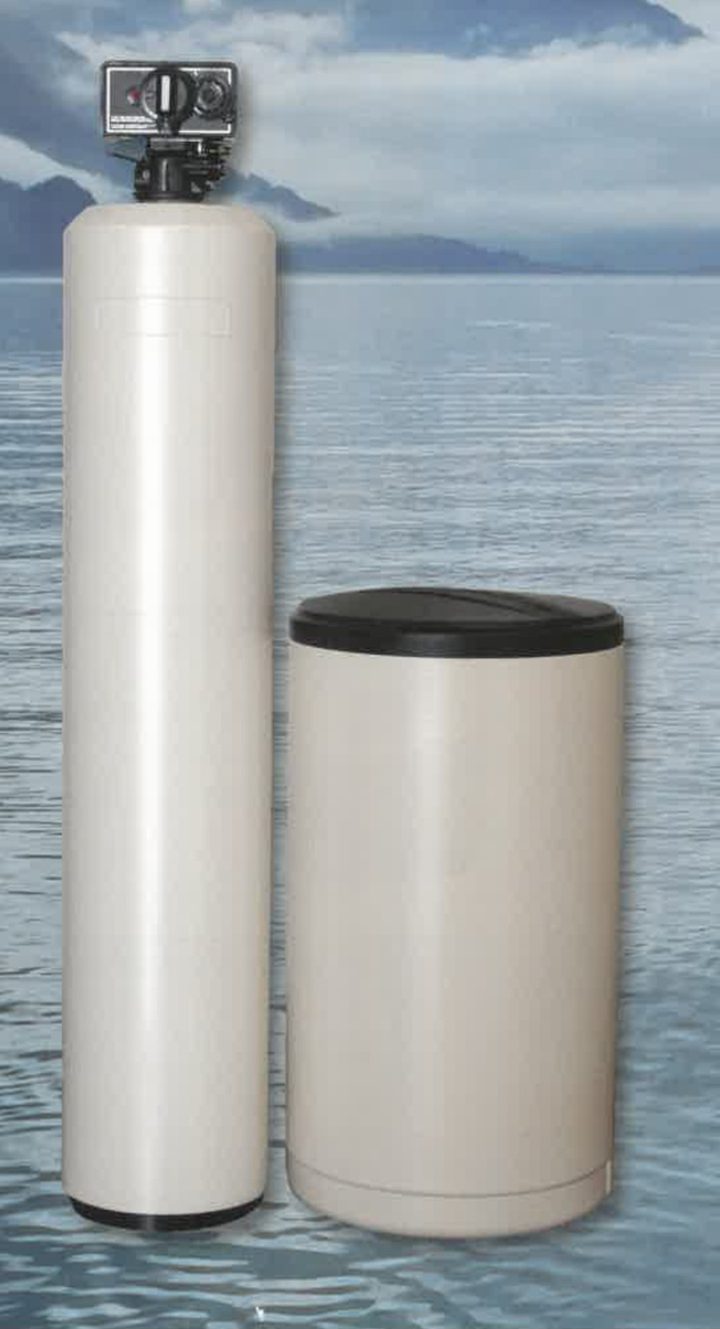
Three units in one tank. Water is softened through cation resin, refined through activated coconut shell carbon, then polished through a silica filter bed — every drop, every tap.
A reverse osmosis unit under the kitchen sink for the water you drink and cook with. The softener handles the whole house; RO gives you one tap of near-pure water.
Three metros, three different water problems. Jacksonville and Orlando both pull from the Floridan aquifer. Tampa is the outlier — its water comes mostly from the Hillsborough River and is treated with chloramine rather than chlorine. The right system depends on which one you're on.
Three metros, expanding across Florida from here.
Not sure whether you're in range? Enter your ZIP with your test request below and we'll tell you straight away.
Otter Soft Water is part of the UDI family, alongside UDI Water and United Hydro. The people installing your system and answering your service call in year eight have been treating water across the Southeast for forty-seven years — more than 75,000 families, A+ rated by the BBB, and named “Tops in Treatment” in America by Water Technology magazine.
| Otter Pro Plus | Big-box DIY unit | National franchise | |
|---|---|---|---|
| Installed price | $2,600 — published, flat | $600–$1,500 plus your own install | $6,000–$10,000, quoted after an in-home visit |
| Water tested first | ✓ Free, in your home | — You guess at sizing | ✓ Often free |
| Functions | Softens, refines & filters | Softens only | Usually softens only |
| Control valve | Fleck 5600, metered | Often timer-based | Proprietary — parts only from them |
| Tank construction | ABS inner, fiberglass-wound outer, UV cover | Single-wall, varies | Varies by franchise |
| Warranty | 5 years incl. tanks, media & valves | 1–5 years, parts only | Varies by franchise |
| Who services it later | Same local team, same phone number | Nobody | Call center routing |
A technician comes out, tests your water at the tap, and shows you the results on the spot. It takes about twenty minutes and costs nothing. If you don't want a system afterward, that's a perfectly fine outcome.
Yes. A technician tests your water at the tap, explains the results, and leaves. There's no fee and no requirement to buy anything. We do it because most people have no idea how hard their water is until they see the number.
Usually, yes. Municipal utilities treat water for safety — bacteria, contaminants, disinfection. Hardness isn't a health issue, so it generally isn't removed. That's why city water in Florida still leaves scale on your fixtures. JEA, the City of Tampa and OUC all publish their own hardness numbers, and all three are in the hard or very hard range.
A softener treats the whole house and removes the calcium and magnesium that cause scale, film and appliance wear. Reverse osmosis treats one tap — usually the kitchen sink — and improves taste and purity for drinking and cooking. They solve different problems and work well together.
It depends on your water, the size of your home, and whether you add drinking water. We won't quote a number sight unseen, and we won't make you sit through a presentation to get one — you get a written price after the test. Financing is available.
Most whole-home installs are completed in a single visit, typically about half a day. Adding an under-sink RO system usually adds an hour or two.
Installation requires the property owner's authorization, since the system connects to the home's main water line. If you rent, we're glad to talk to your landlord.