The short answer: When hard water is heated, calcium and magnesium form scale. In a controlled study, gas water heaters on hard water built up 528 grams of scale per year, compared with just 7 grams on softened water. Scale can reduce efficiency, clog fixtures and add wear that shortens the life of your equipment.
What Does Hard Water Do to Your Water Heater?
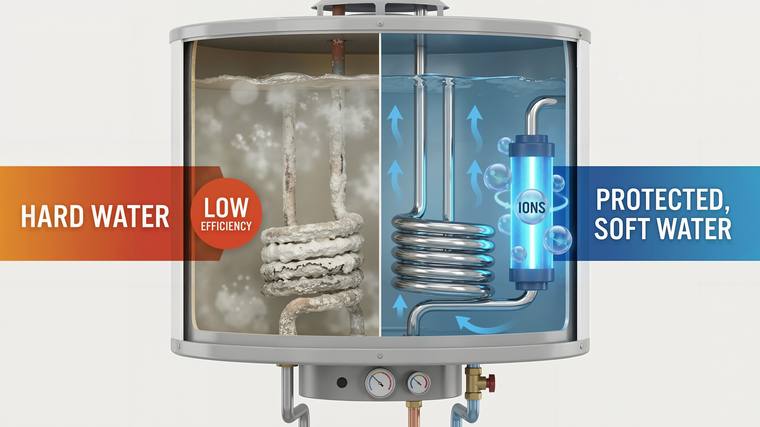
When hard water is heated, dissolved calcium and magnesium can come out of the water and form mineral deposits known as scale.
In a traditional tank water heater, these minerals can collect as sediment on the bottom of the tank and around heating surfaces. In tankless systems, scale can build up inside the heat exchanger and internal waterways.
Over time, that buildup can:
- Reduce efficient heat transfer
- Make the water heater work harder
- Increase maintenance and descaling needs
- Reduce hot water performance
- Add wear that may shorten the system's useful life
What Did the Research Find?
In 2009, the Water Quality Research Foundation commissioned Battelle Memorial Institute to test 30 water heaters, comparing hard water with softened water. Here's what they found:
- Scale buildup: Gas water heaters on hard water collected 528 grams of scale per year. On softened water, they collected just 7 grams.
- Efficiency: At 15 grains per gallon, a gas storage water heater lost a modeled 12.8% of its efficiency. At 20 grains per gallon, it lost 17.0%, and at 30 grains per gallon, 25.5%.
- Tankless water heaters: On hard water, tankless heaters needed deliming after the equivalent of just 1.6 years of service, and their efficiency dropped from 80% to 72%. The units on softened water held their rated efficiency.
- Showerheads: Low-flow showerheads on hard water clogged after an average of 3,203 gallons. The units on softened water ran the entire test without a problem.
For reference, parts of Jacksonville have water around 22 grains per gallon, which falls between the study's 20 and 30 grain results. See how hard the water is in your city.
What if I have an electric water heater?
The same study found no measurable difference in electricity use for electric tank water heaters, because their heating elements stay underwater. If you have an electric tank, scale still builds up in your tank, plumbing and fixtures, but the energy savings are smaller than with gas.
What about the "48%" number I've seen online?
You may see other water treatment companies claim hard water costs water heaters "up to 48% of their efficiency." That number comes from a misreading of this same study. The 48.4% figure was a lifetime cost savings for tankless heaters at 25 grains per gallon, including avoided service calls. It was not an efficiency loss. We'd rather give you the real numbers.
What Else Can Hard Water Damage?
Your water heater isn't the only concern. Scale can build up anywhere hard water flows or evaporates, including:
- Dishwashers and washing machines
- Faucets, aerators and showerheads
- Pipes and plumbing
- Ice makers, coffee makers and kettles
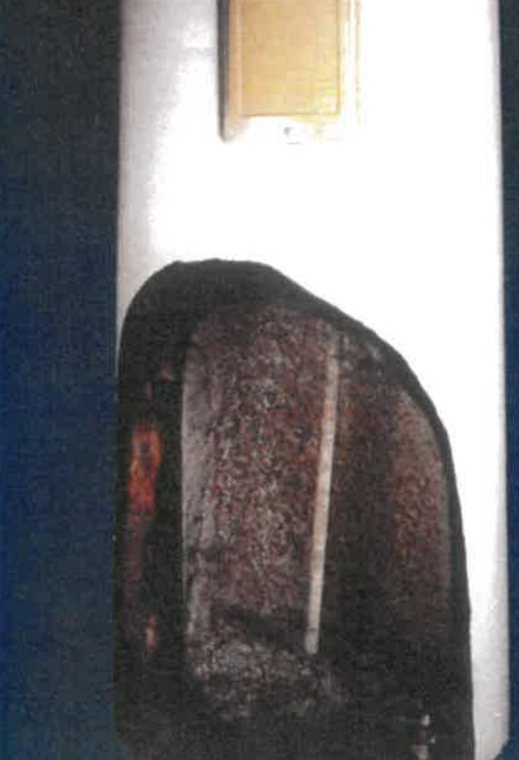
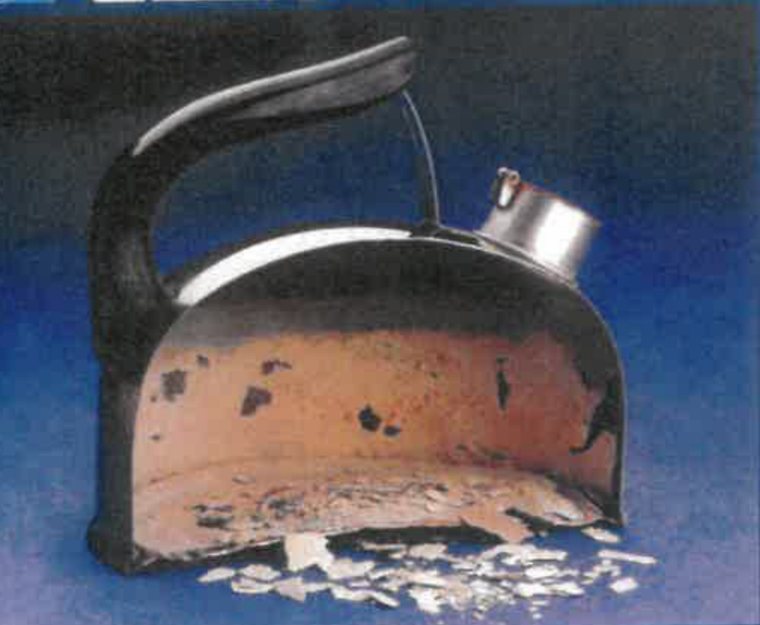
The cost of hard water isn't always one big repair bill. Often it shows up as ongoing maintenance, lower performance and equipment that needs to be replaced sooner than expected.
Why Whole-Home Treatment Makes a Difference
A whole-home water softener treats water as it enters your home, before it reaches your water heater, plumbing and appliances. Instead of treating one problem at a time, you address the root of the problem at the source.
The Otter Pro Plus softens water for your entire home and comes in at thousands less than the national brands for a comparable install.
Is Hard Water Affecting Your Home?
White scale around faucets, spotted dishes, frequent water heater maintenance and declining appliance performance can all be reasons to take a closer look at your water. A free in-home water test is the best place to start.