The short answer: Hard water is water that carries a high amount of dissolved minerals, mainly calcium and magnesium. In Florida, groundwater picks up these minerals as it moves through the limestone the state is built on. Hard water is not considered a health concern, but it can leave scale and residue throughout your home.
Where Does Hard Water Come From?
Rainwater is naturally soft. As it soaks into the ground, it seeps through layers of soil and rock on its way to underground aquifers. Along the way, it dissolves minerals and carries them with it. The more mineral-rich the rock, the harder the water becomes.
Florida is built on limestone, which is made of calcium carbonate. That means water moving through it picks up exactly the two minerals that define hardness: calcium and magnesium.
What Is the Floridan Aquifer?
Most of Florida's drinking water comes from the Floridan aquifer system. It lies under roughly 100,000 square miles of Florida and parts of Georgia, Alabama and South Carolina, and it's one of the most productive aquifers in the world.
It's also porous limestone. Groundwater drawn from the Floridan aquifer has spent a long time in contact with calcium carbonate, which is why so many Florida homes have hard water coming out of the tap.
Doesn't My Water Utility Remove It?
In most cases, no. Your water utility treats the water to meet federal drinking water standards. That includes disinfecting it and, in many Florida systems, removing hydrogen sulfide. Hardness isn't regulated as a safety issue, though, so utilities are not required to remove it.
That's why a city can deliver water that meets every standard and still leaves scale on your fixtures and inside your water heater.
What Happens When Hard Water Is Heated?
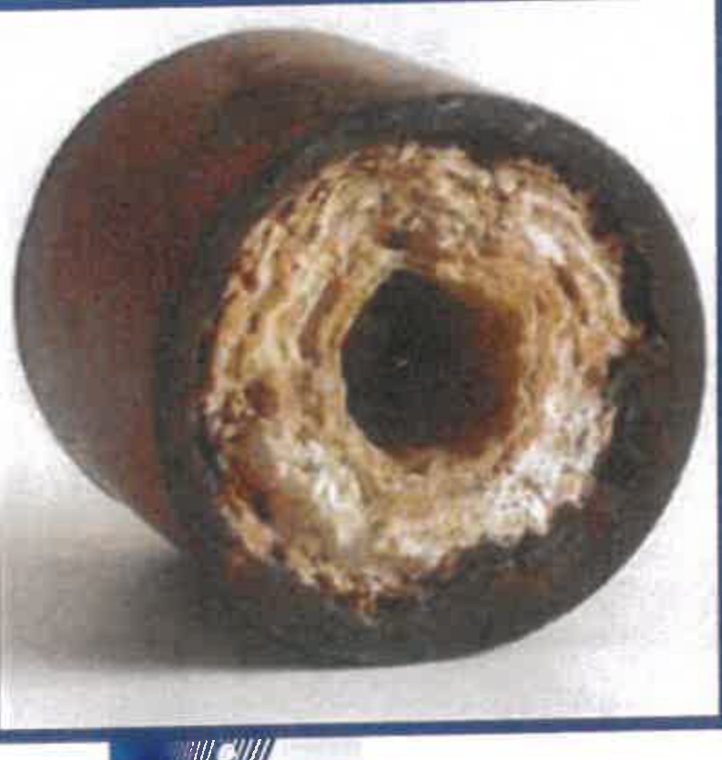
Calcium and magnesium don't stay dissolved forever. When water is heated or evaporates, these minerals can come back out of the water and form a hard, chalky deposit called scale.
Over time, scale can build up in:
- Water heaters
- Pipes and plumbing
- Faucets and showerheads
- Dishwashers and washing machines
- Coffee makers, kettles and other water-using appliances
Is Hard Water Bad for You?
Hard water is not generally considered a health concern. The bigger issue is what it does to your home and your budget. Scale can make appliances work harder, and hard water can make soap and detergent less effective, so many households end up spending more on cleaning products and repairs.
Hard water can also affect how you look and feel. When soap mixes with hard water, it forms a residue called soap curd that doesn't rinse away easily. That residue can stay on your skin and hair after every shower. Many people notice their skin feels dry or tight, and their hair looks dull, feels rough or seems weighed down no matter how much shampoo and conditioner they use. Learn more about hard water and your skin and hair.
Is Hard Water Affecting Your Home?
If you're scrubbing white spots off your faucets, fighting soap scum in the shower or noticing your water pressure isn't what it used to be, hard water may be the cause. The best place to start is finding out exactly how hard your water is.
Otter Soft Water is a UDI Water brand, and UDI has been treating Florida water since 1979. We'll test your water for free and give you one flat installed price in writing.